%20Logo_BlueOrange_Trademark.png?width=800&height=269&name=Ready%20North%20(RN)%20Logo_BlueOrange_Trademark.png)




.jpg?width=300&name=Services%20Hub%203%20(3).jpg)

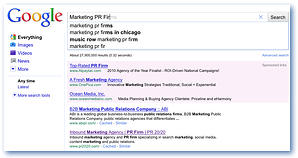
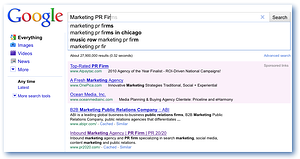 As many of you have likely read or seen, Google introduced Google Instant last Wednesday (read about Google Instant here). What immediately followed on industry blogs was a great deal of overreaction and guesswork as to what this means for search engine traffic, website rankings and SEO as an industry; some of it quite amusing as many experts don't have a problem calling out FUD (fear uncertainty doubt) reactions.
While some would argue it, the consensus from the online articles I've read (more than 15 at this point) is that SEO is NOT dead, and is in fact more important now than ever.
Many experts have offered great insight into Google Instant's impact on searcher behavior, but two quotes really stood out to me:
1. The line between first and second page listings is blurred:
"As you continue typing and narrowing your search, the instantly changing and refreshing results below the search box will be giving you more relevant results. So if you previously looked on the second page, now those same results come to the top of the pile for you." - Johanna Wright, director of product management for Google Insight (via AdAge).
2. Searchers don't have to commit:
"With Google Instant, searchers don’t have to commit to any search query. They can, you know, live a little. As they start typing “san francisco hotels” they’ll not only see suggestions, but they’ll see their search results change as they type, as they expand their search query into the long tail." - Andy Beal, Marketing Pilgrim
What I believe these two points, and many others that echo them, are saying is that searchers are going to dive deeper into their search queries than ever before. Matt Cutts also alluded to this in his blog post about Instant, as did Marissa Mayer, Google's VP of Search Products and User Experience on TechCrunch TV. As a query is typed, new suggestions pop up that the searcher may not have considered. On the fly, he/she will likely refine the search based on these suggestions to better qualify the results.
By exploring longer search queries, searchers are doing you a favor: Not only are they qualifying their search results, but they are qualifying themselves for your business. Andrew Shotland from Local SEO Guide ran an analytics test that supports the concept of Instant sending better qualified traffic.
So what does this mean for marketers? Now, more than ever, search marketers and SEOs must focus on optimizing their sites and producing quality content.
Here are several suggestions on how to better optimize your site for Google Instant. (SPOILER ALERT: You've probably heard all this before.)
1. Page Titles & Meta Descriptions
Page titles and meta descriptions have just become even more important. They are, in essence, your best chance to catch a searcher's attention. Your page title's catchiness and relevance will be one of the only things to stop a searcher from continuing to type their query.
Make the most of this opportunity by including the appropriate keywords and speaking directly to a searcher's pain point within the page title, as well as in the meta description.
2. Keyword Research
If you weren't using the Google Suggestion tool to generate keyword ideas before, you need to start now. As you type in a keyword you're evaluating, look at the suggestions Google provides and write down everything that applies to your business. Do this on multiple browsers and signed in to, and out of, your Google account. (The results will vary.) Also, make note of the order of the words in longer suggestions. Match your on-page optimization as closely as possible to these phrases.
And, don't do this just once. Keyword evaluation should become a monthly activity. Google's suggestions will change as it gathers more information about what people are clicking. Evolve your content and optimization strategies accordingly.
3. Content Focus
Once you've identified relevant keywords through Google Suggestions, start creating content around these terms. For example, write blog posts, create case studies and start using these terms in discussions on social networks. Remember, Google result pages list more than just websites now, including different content formats, social media trends and discussions.
4. Create Video
To go along with number three, start developing video content for your priority keyword terms. Video and images stand out on search engine result pages, and have a much better chance of catching a searcher's attention with Instant. You may have only a few seconds to make an impact before searchers continue typing, or refining, their search query.
If you post your videos to YouTube, this becomes even more important from a search engine perspective, as YouTube is a very powerful site. Therefore, video posts on YouTube improve the likelihood of topping a results page. As you know, the higher you appear on a results page, the better your chances of being seen and getting clicks.
I'd love to hear other people's opinions on Google Instant and its effect on marketers.
Related Posts:
- Google Instant Changes SEO Landscape
- Google Instant Behind the Scenes
- Google Launches New Search Interface Google Instant
Keith Moehring is business development manager and a consultant at PR 20/20, a Cleveland-based inbound marketing agency and PR firm. Follow Keith on Twitter @keithmoehring.
\

COMMENTS